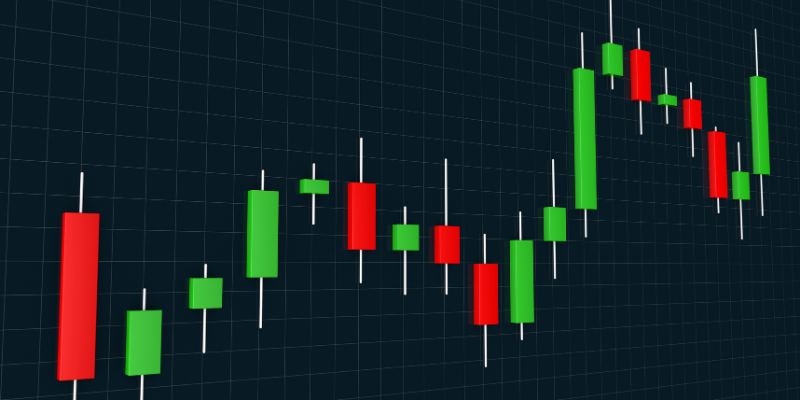
Before they even comprehend what Amibroker truly works, the majority of individuals learn about AFL. Although the word seems technical, it simply refers to the portion of the program that instructs it on how to perform calculations. The platform gets lot simpler to use after you grasp its fundamentals.
What AFL Is and Why It Exists
Amibroker Formula Language is referred to as AFL. Amibroker reads, computes, and displays anything on the chart using its built-in programming language. It is necessary for indicators, scans, backtests, investigations, and alarms. Without requiring traders to utilize other tools, the language offers complete control. Changes appear as soon as you save or apply the file since all scripts are run quickly.
How Amibroker's AFL Operates
AFL operates by reading user-written, basic instructions. The platform reads the code line by line when you instruct it to plot a line, check for conditions, or execute a strategy. When anything is written wrong, it also offers unambiguous error messages. All AFL files are kept by Amibroker in the "Formulas" subfolder. To keep things organized, these files might be stored in different directories. They may be used in the Analysis window or simply added to charts when they are saved.
AFL's Principal Applications for Traders
AFL serves four primary purposes.
It generates a variety of indicators, from unique algorithms to simple moving averages.
It performs scans to look for symbols that fit certain requirements.
By applying buy and sell criteria to previous data for performance evaluation, it drives system testing.
It conducts investigations that present findings in a table for cross-symbol comparison.
Because it manages everything from comprehensive strategy logic to chart graphics, traders rely on it.
Why Learning AFL Is Easy
Simple terminology and a basic structure are used in the language. The majority of texts read like instructions in English. For instance, the simple rule "Buy = Close > MA(Close, 20)" is expressed in a single line. Programming knowledge is not required of users. To learn how each function acts, many traders begin by duplicating simple samples and modifying values. Beginners seldom get stuck since Amibroker's built-in help section lists functions with clear examples.
Comprehending AFL Backtesting
One of the main reasons people select Amibroker is backtesting. The software uses historical market data to test buy and sell conditions you define in AFL. It produces metrics, summaries, and charts very instantaneously. The quality of the data, the specified regulations, and the assumptions made all affect the outcome. AFL makes the process quick and easy, but it cannot guarantee performance. Before taking a financial risk, traders utilize this to improve their tactics.
Using Automation and Alerts with AFL
Any condition you write may be used by AFL to generate alerts. These notifications may appear during live market sessions or in the Analysis pane. This tool is frequently used by traders to monitor price thresholds, indicator crossings, and breakout levels. It helps traders react only when necessary and minimizes screen time. AFL may keep an eye on it as long as it is evident.
How to Save and Use AFL Files
The Amibroker "Formulas" folder contains all of the AFL scripts as plain text files. For unique configurations, users can make new folders inside of it. A script may be accessed using the Analysis tool or the Charts window after it has been saved. Applying it refreshes the chart immediately. This instant response helps users learn faster because they see the impact of each change without delay.
Simple AFL Examples You Can Download or Copy
These basic examples are the starting point for most beginners.
1. Simple Moving Average Plot
Plot(Close, "Close", colorBlack);
Plot(MA(Close, 20), "MA20", colorBlue);
2. Basic Buy and Sell Strategy
Buy = Close > MA(Close, 20);
Sell = Close < MA(Close, 20);
3. Exploration Example for Filtering Symbols
Filter = Close > MA(Close, 50);
AddColumn(Close, "Close");
AddColumn(MA(Close, 50), "MA50");
These illustrations explain filtering, conditions, graphing, and organization. Users can go on to position sizing, stops, and sophisticated tactics once they grasp these ideas.
How Beginners Should Begin Studying AFL
Begin with little bits. Plot lines, add conditions one at a time, and test a single rule. Steer clear of attempting to create complicated systems at first. Modify example scripts, play around with functions, and track changes in the chart. You eventually learn how to integrate features and transform concepts into functional tools. The language adapts to your level of proficiency and is still versatile even when used at a high level.